
Political campaign
Corruption begins with each candidate's political campaign. It often costs more than $2 million to launch a political campaign for re-election or to maintain a political position. The more you spend to build a good public image, the more likely you are to be elected. Politicians don't have that kind of money on hand and are forced to acquire it through fundraising. This fundraising money comes mostly from the private business sector in exchange for political favors once the candidate is elected...
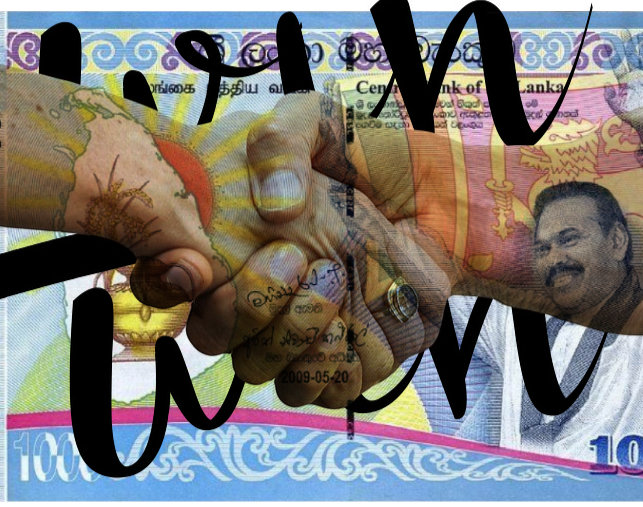
Private election campaigns, public advertising, paid advertising and campaign fundraising should be prohibited. Instead, an independent public organization should be tasked with providing the same, freely available, information platform to every candidate. Thus, each candidate would receive the same visibility, and the population would be invited to go to this official platform to obtain all the information they wish to have on any candidate (including all social media networks). Candidates would therefore be evaluated on what they have to offer instead of how much money they could raise for their campaign.
Anyone involved in collusion, corruption or bribery should have all their personal assets frozen, seized, and then redistributed to the public treasury.
This should prevent anyone, including friends, relatives and family members, from becoming involved in corruption!
100% Digital commodity currency
If the currency became 100% digital on a public ledger (Blockchain), there would be no money transfer possible without the knowledge of the public. Each citizen would have an anonymous digital account linked to their N.I.C. (national Identity card). Although the digital account number is anonymous, A.I. Algorithms (Artificial Intelligence) would analyze all transactions, anonymously, to look for any suspicious transactions. As all A.I. algorithms integrity would be monitored on a public blockchain, it would not be possible to corrupt them. The A.I. will, automatically, report any digital account with suspicious activity to the authorities, with the corresponding real NIC numbers of all culprits involved in the transaction. These reports will have public traceability to prevent tampering and to ensure that proper prosecution will take place.
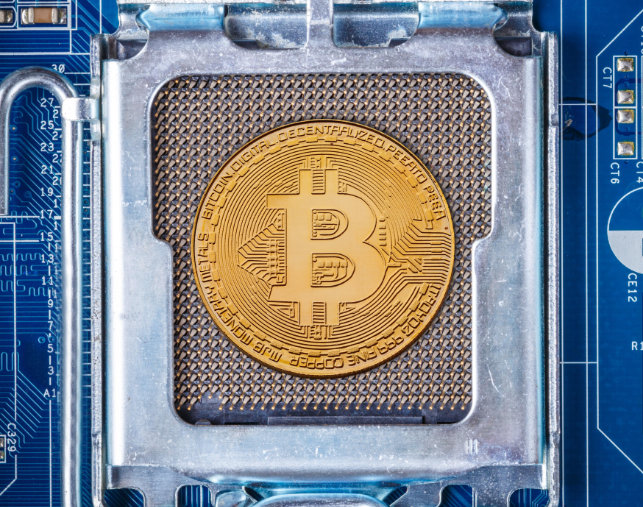

The A.I. would also monitor each transaction to ensure that all “goods and services” taxes and regulations (import/export and transactions) are complied with. The power to monitor and eradicate corruption will be in the hands of the people, and no longer at the discretion of politicians or members of government.
With these measures in place, corruption would become a very difficult and risky business to do in Sri Lanka.