Geothermal Energy
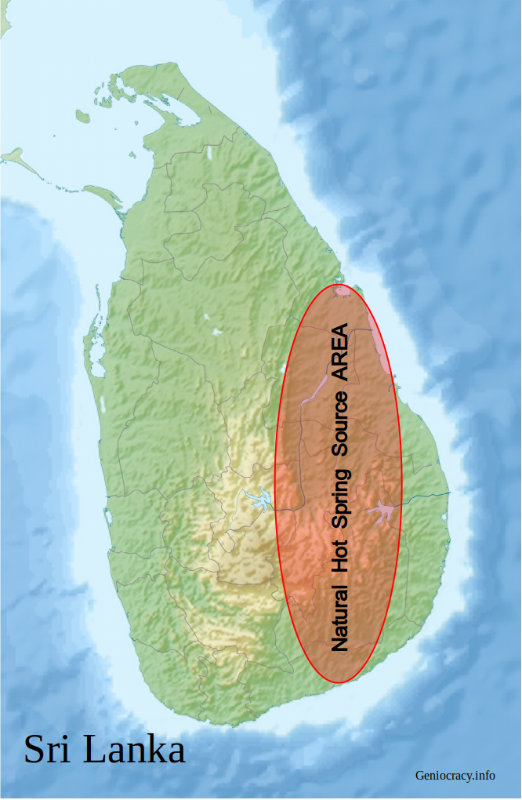
Sri Lanka has several hot springs (such as Nelumwewa and Kapurella) with outlet temperatures between 35 and 72°C. This suggests that there are potential reservoirs relatively close to the surface with temperatures varying between 140 and 150°C, and that temperatures of up to 350°C could be reached at a depth of 3 to 4 km.
Advantages or Geothermal Energy:
- Globally inexhaustible (renewable)
- Low/negligible emission of CO2 and local air pollutants
- Low requirement for land ( 5 MW power plant can fit on about 3 tennis courts)
- No exposure to fuel price volatility or need to import fuel
- Stable base-load energy (no intermittency, 24h/7)
- Lowest cost per kWh (Free basic electricity for the population)
- Proven/mature technology
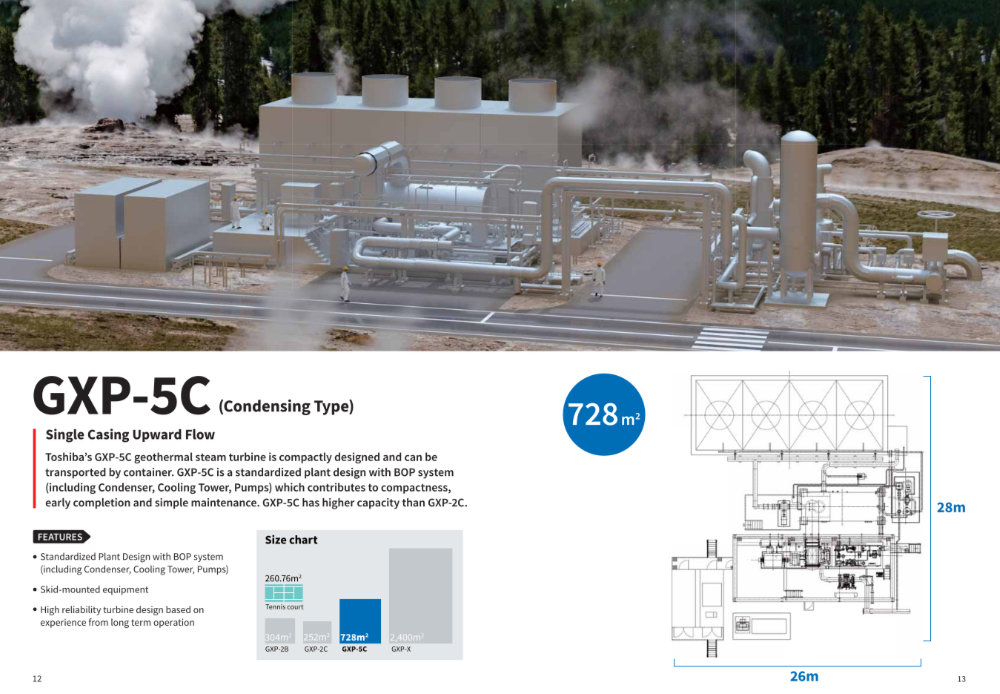
The actual construction cost is estimated at USD 3-4 million per MW, with an estimated lifespan of 30 years (24/7, with 95% minimum uptime) before major repairs.
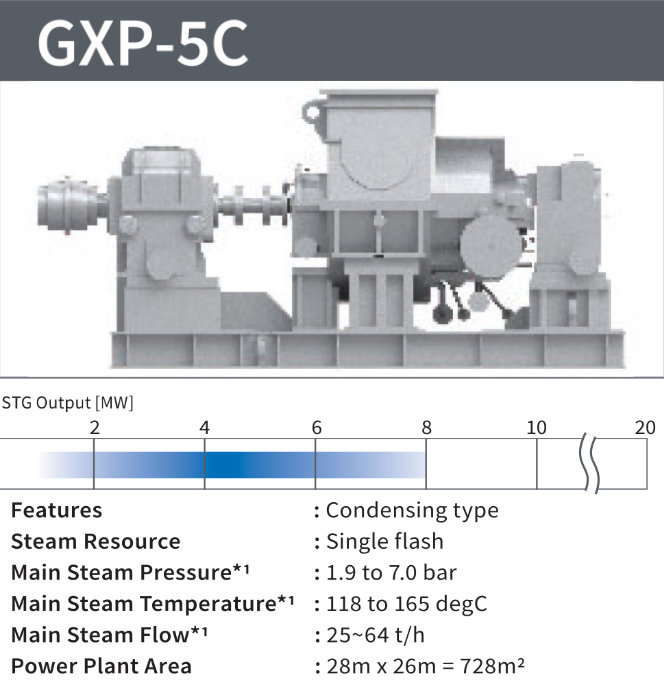
Since there is no need to buy fuel or consumables to generate electricity, the ROI (Return On Investment) is 4 to 5 years and the remaining 25 years are almost pure benefits.
If the government were to build and nationalize a network of 1000 small geothermal power stations of 5 MW to 8 MW; basic electricity could eventually be provided free of charge to its population.
Since power plants use so little space (about 3 tennis courts) and produce no pollution (only water vapor and CO2), they could be built directly in cities and the excess heat could be used, free of charge, for: community cooking, drying of agricultural products (fish, rice, etc.), steaming in the production of sugar from canes, direct use of hot water in nearby homes and hotels or as recreational applications (swimming pool, spa...) and medicinal applications.
If electricity and hot water are produced almost free of charge, this could provide an international production advantage for the export of goods, as well as a significant reduction in the prices of all goods and services for the people of Sri Lanka.